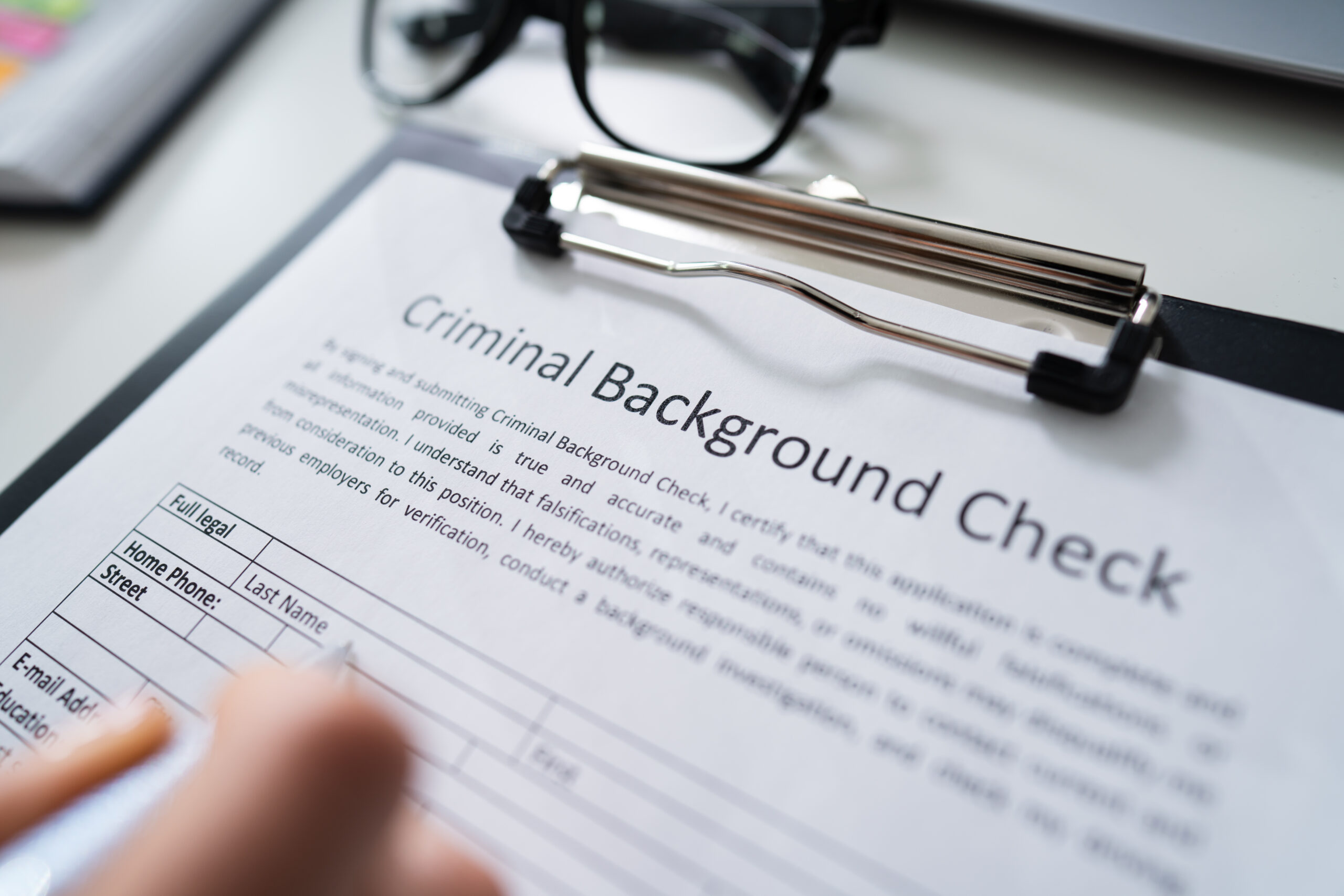
The Minneapolis City Council has made a groundbreaking move by voting to ban discrimination based on criminal record, housing status, height, and weight. This new ordinance, which will take effect on August 1, aims to address long-standing issues of inequality and provide a fairer chance for individuals who have faced barriers due to their past or physical attributes.
According to Council member Robin Wonsley, Minneapolis becomes the third city in the United States to implement such protections. This ordinance is part of a broader effort to prevent discriminatory practices that adversely affect the community’s health, welfare, peace, and safety.
One significant outcome of this ordinance is that employers and educational institutions in Minneapolis will no longer be able to reject workers based on previous arrests, convictions, or incarceration. This change is expected to open numerous opportunities for individuals who have been historically marginalized due to their criminal records.
By removing these barriers, the ordinance aims to reduce recidivism rates and enable individuals engaged in seeking employment or education to benefit from equal opportunities, contributing to their rehabilitation and integration into society. This move also addresses the stigma that formerly incarcerated individuals often face, allowing them to be assessed based on their current abilities and potential rather than their past.
Minneapolis is not alone in this initiative. In 2022, Atlanta approved a similar ordinance, thanks to the efforts of formerly incarcerated individuals who led the campaign. Denise Ruben, co-founder of Barred Business, highlighted how the ordinance in Atlanta has positively impacted those with criminal records by enabling them to secure jobs with livable wages and report instances of discrimination. Labor organizations and employment agencies must properly refer individuals for employment to avoid discrimination.
Ruben’s experience and the toolkit developed by her organization played a crucial role in assisting Minneapolis in drafting and passing its ordinance. Legal actions in court have supported the enforcement of such ordinances, demonstrating the importance of legal processes in upholding anti-discrimination measures. This collaboration underscores the importance of sharing successful strategies and tools between cities to combat discrimination and promote equality.
The ordinance aims to create tangible benefits for those affected by these forms of discrimination. As Ruben explained, “Investing in the people is what we want to do. And if we’re able to have every opportunity, as everybody else, then that’s a win… We’re able to reduce recidivism. We’re able to [ensure] folks are able to be employed with livable wages.” Individuals who have been discriminated against based on their criminal records will benefit significantly from the ordinance, as it provides them with fairer opportunities for employment.
For people with criminal records, the stigma can be devastating when seeking employment. Ruben described the experience: “When I came home, I searched for a few jobs and being told no at every turn is very disheartening. It hurts. I’m being looked at and judged by my past and not for who I am today.” The ordinance protects individuals regardless of their identity, ensuring that everyone, including those with criminal records, has equitable opportunities to rebuild their lives.
The ordinance goes beyond just criminal history to include protections based on:
Additionally, the ordinance addresses discriminatory practices in employment and housing, ensuring equitable treatment and adherence to legal standards.
These added protections reflect a growing recognition that various physical and circumstantial factors, including disabilities, have been used as barriers to employment, housing, education, and public accommodations. The ordinance ensures protections for individuals with disabilities, mandating reasonable accommodations and equal access to opportunities.
Employees have the right to work in an environment free from employment discrimination and harassment. They have the right to equal pay and opportunities, and to be protected from retaliation when reporting discriminatory practices. Employees also have the right to file a complaint with the EEOC if they experience discrimination or harassment, and to request a hearing or file an appeal. The EEOC provides resources and guidance to help employees understand their rights and how to report discrimination or harassment. Additionally, employees can seek assistance from local governments, such as their city council, or from labor organizations, to help them navigate the process of reporting and addressing employment discrimination.
Employers have a responsibility to prevent and address employment discrimination and harassment in the workplace. They must comply with federal anti-discrimination laws, including the Equal Pay Act, and provide equal opportunities for all employees. Employers must also take steps to prevent workplace harassment, including providing training and implementing policies and procedures to address harassment. Employers must also protect employees from retaliation when reporting discriminatory practices, and must investigate and address complaints of discrimination and harassment in a timely and effective manner. The EEOC provides guidance and resources to help employers understand their responsibilities and comply with federal laws. By working together, employers and employees can create a workplace that is free from discrimination and harassment, and where all individuals have equal opportunities to succeed.
The updated ordinance includes provisions for enforcement through the Minneapolis Department of Civil Rights. Individuals who experience discrimination can file complaints, which may lead to investigations, conciliation attempts, and potentially hearings before the Commission on Civil Rights.
This ordinance represents a significant shift in how Minneapolis addresses systemic barriers to equality. By removing these obstacles, the city aims to create more pathways to employment, education, and housing for those who have historically faced discrimination. Both local and federal government play crucial roles in supporting these anti-discrimination efforts.
For formerly incarcerated individuals especially, these protections address a critical barrier to successful reintegration. As Ruben emphasized, “I want people to understand that I paid my debt to society, and so I should be able to have every opportunity to thrive and be the best version of myself that I can be.” This ordinance aligns with existing anti-discrimination law, ensuring that individuals are protected under both local and federal statutes.
As Minneapolis implements these new protections, other cities will likely be watching to see how this expanded approach to anti-discrimination policy affects communities and whether it serves as a model for similar legislation elsewhere.
Has your criminal record blocked you from employment? Been denied housing due to your living situation? Experienced discrimination based on your height or weight?
Starting August 1, 2025, Minneapolis’ expanded anti-discrimination ordinance will protect you. But you don’t have to wait to understand your rights. If you face discrimination, you can submit a complaint to the EEOC to initiate the process.
At Wanta Thome, we’re committed to enforcing employees’ rights and holding employers accountable. Filing a formal charge with the EEOC is crucial for those facing discrimination, as it ensures legal protections and the ability to proceed with potential claims. Let us help you understand how these new protections apply to your situation.
Understanding Minneapolis’ Anti-Discrimination Protections
Fill out this short form and receive a A Comprehensive Guide for Employees & Job Seekers Prepared by Wanta Thome Employment Attorneys